

Types of Noise Barriers
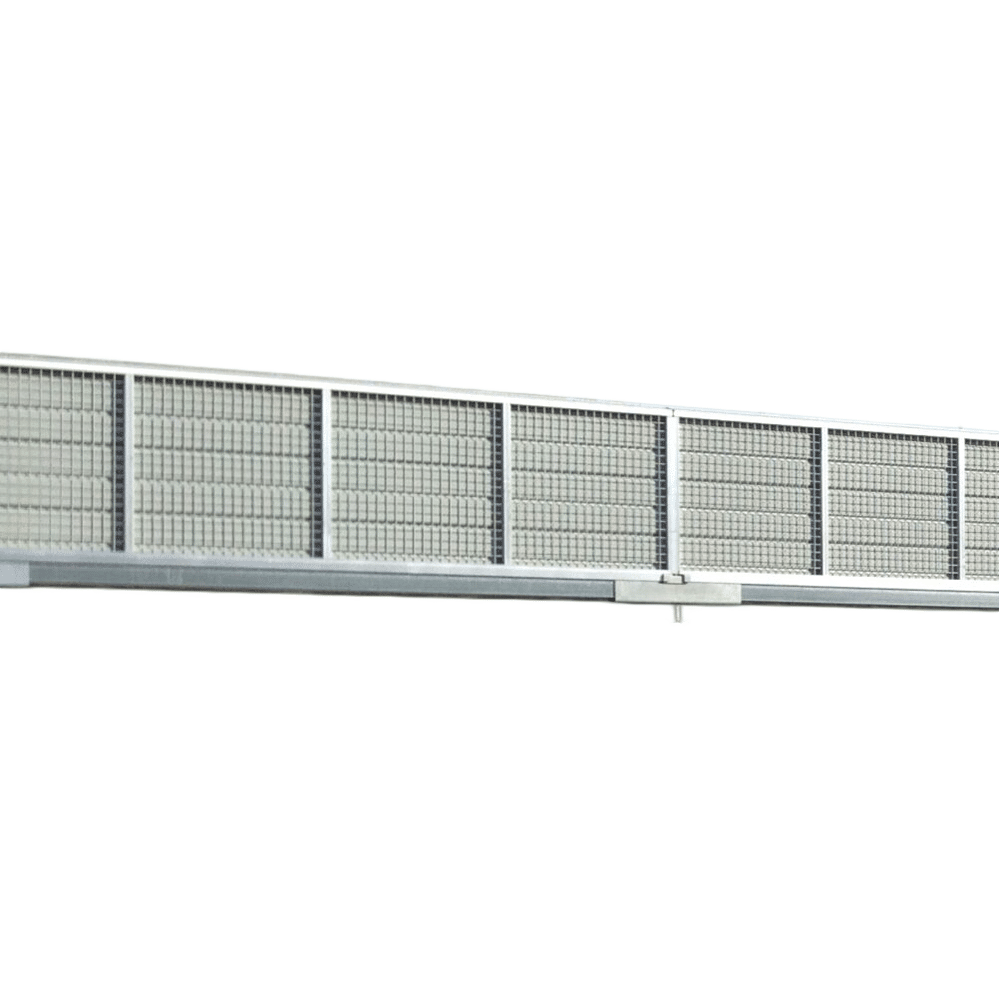
Noise barriers can be classified according to different standards. Below are some common classification methods and specific types:
Classification by Material
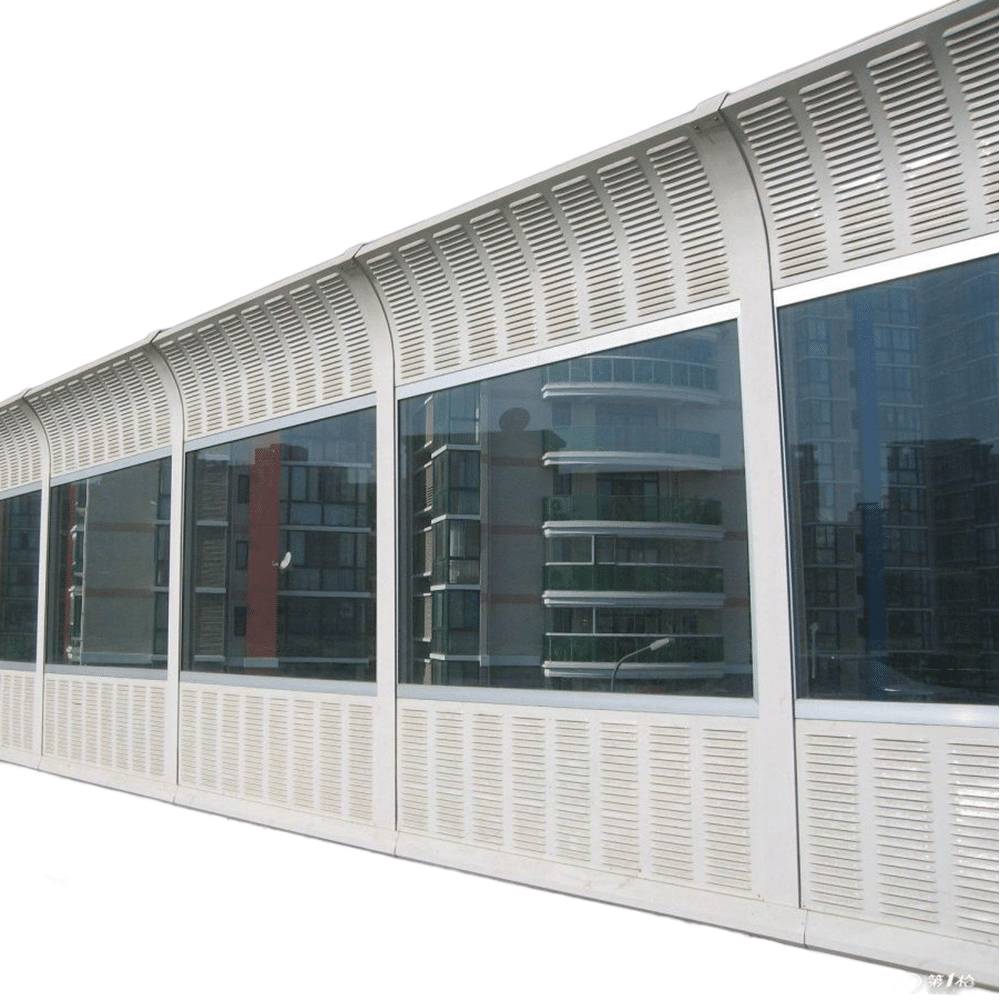
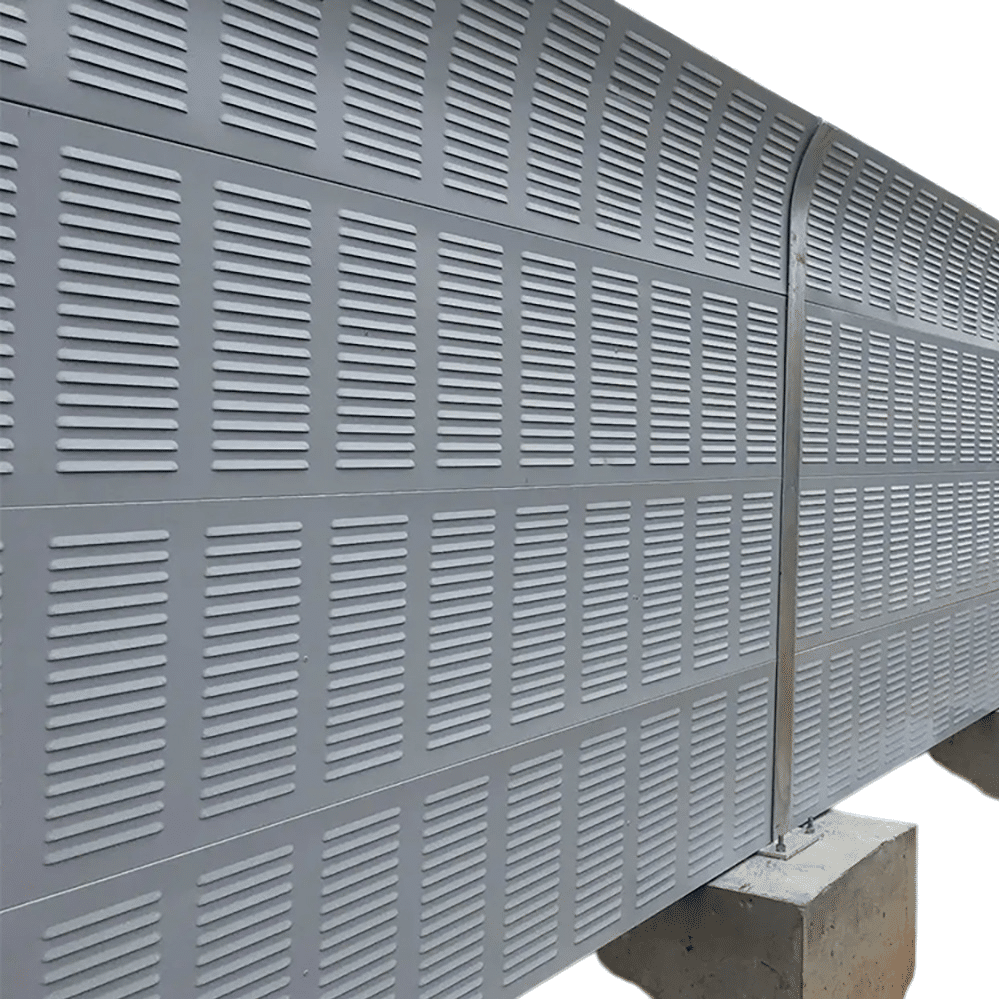
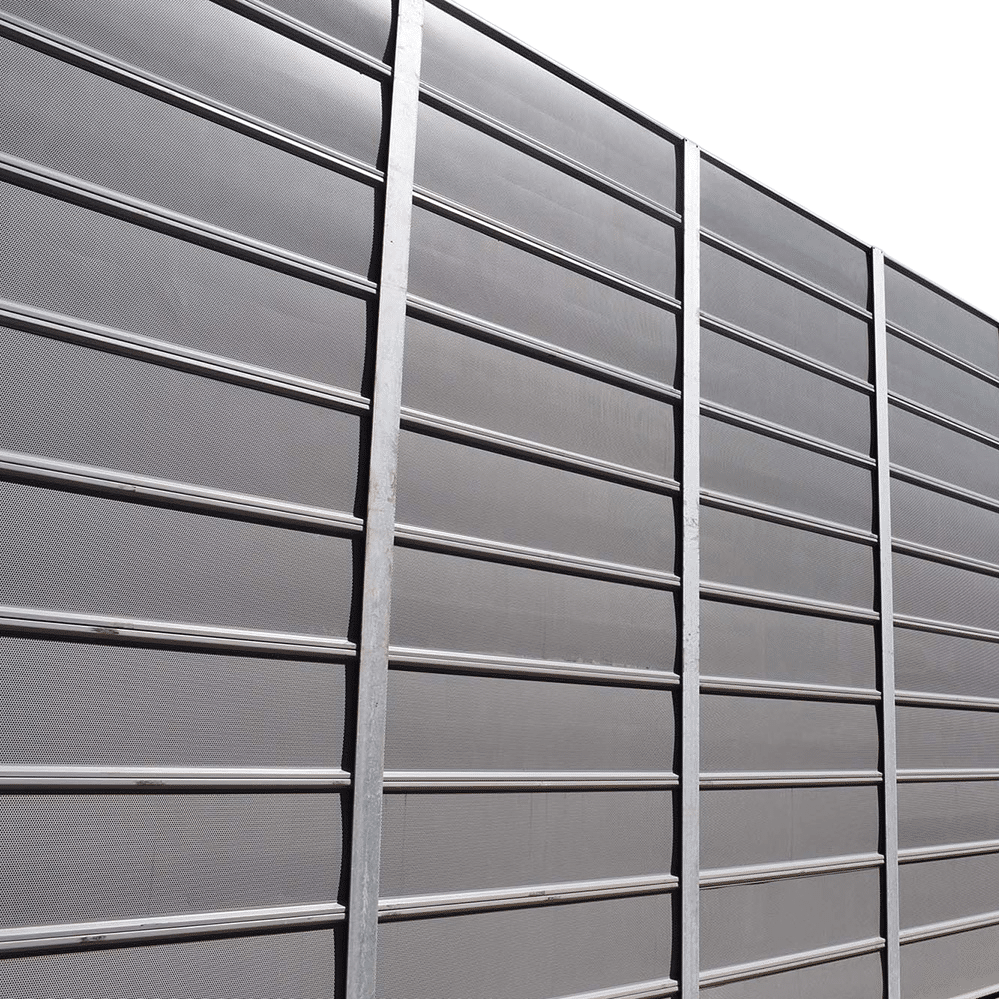
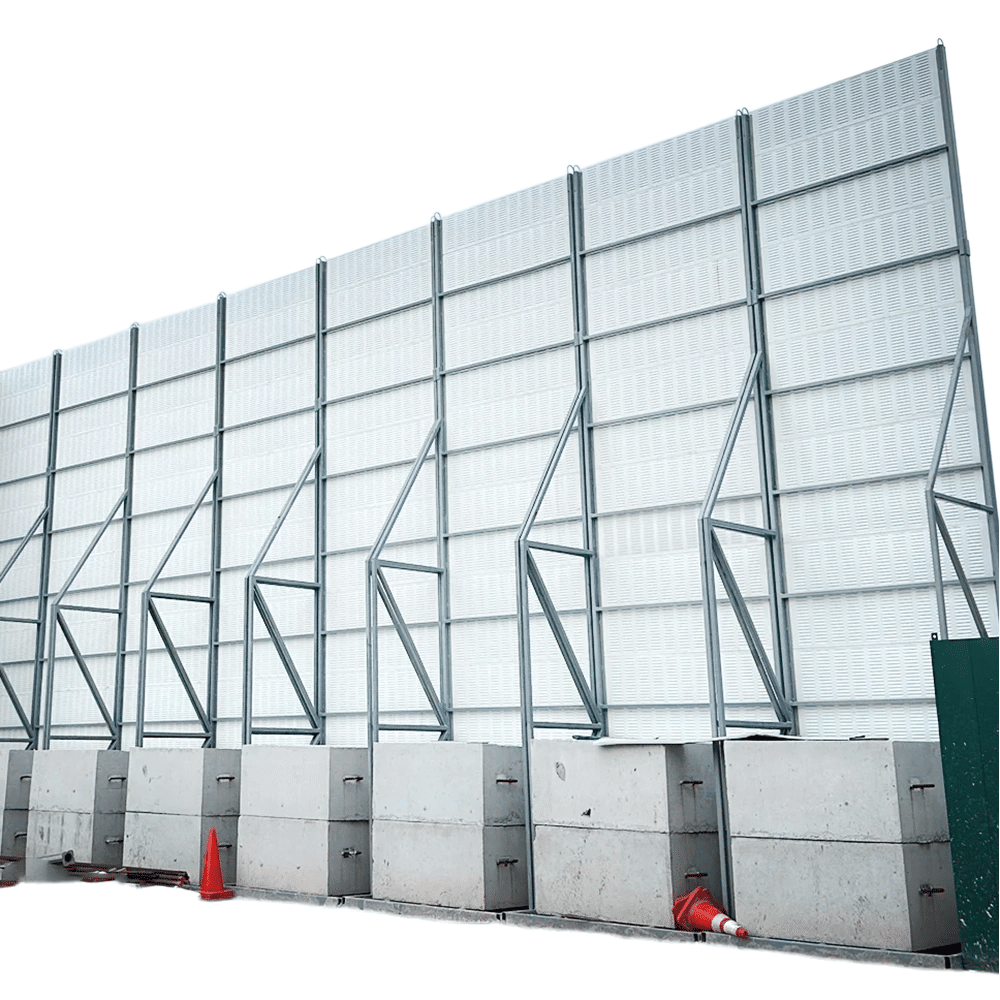
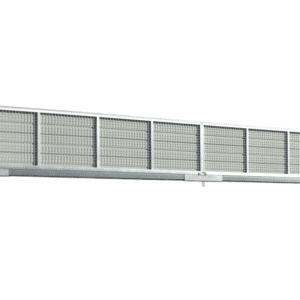
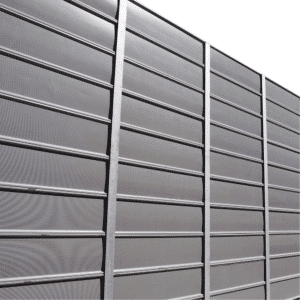
Metal Noise Barriers: Made of galvanized steel plates, aluminum plates, etc., they feature good sound insulation performance and durability.
FRP Noise Barriers: With excellent corrosion resistance and a long service life, they are often used in transparent noise barriers.Note: FRP = Fiberglass Reinforced Plastics
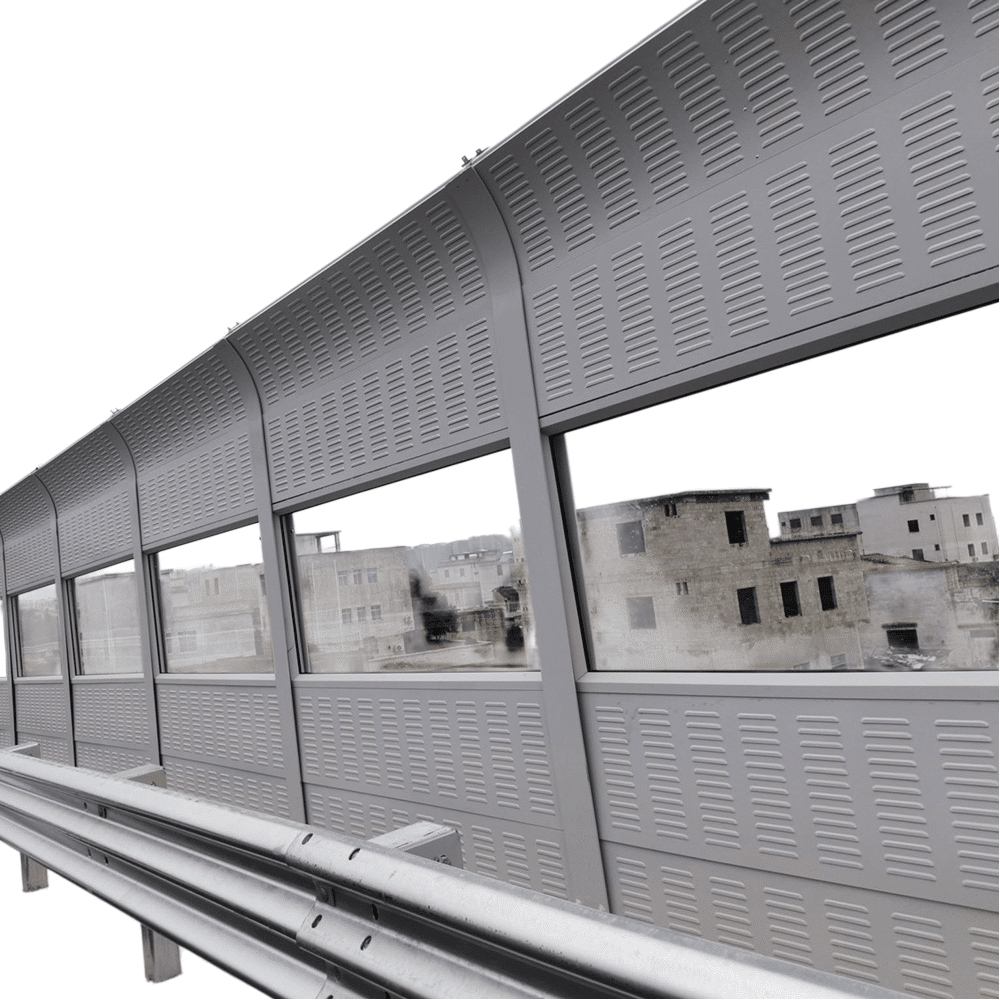
PC Board Noise Barriers: Characterized by high transparency, light weight and impact resistance, they are often combined with metal materials and applied in places with landscape requirements, such as residential communities.Note: PC = PolycarbonateFoamed Aluminum Noise Barriers: Combining the properties of metal and air bubbles, they have low density, excellent sound insulation and noise reduction effects, as well as the advantages of fire resistance and corrosion resistance.Concrete Noise Barriers: Divided into lightweight concrete and high-strength concrete noise barriers, they have stable structures and long service lives, but are relatively heavy.
Classification by Structure
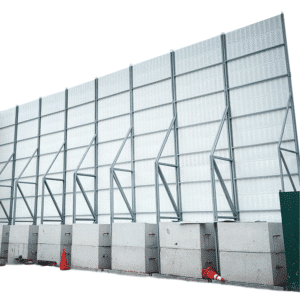
Plug-in Noise Barriers: The barrier panels are connected to the columns through slots, allowing for easy installation and flexible replacement.
Curved Noise Barriers: Including large-curve and small-curve types, they have an aesthetic appearance and good acoustic performance. They can increase the sound path difference and improve the noise reduction effect.Fully Enclosed Noise Barriers: These barriers completely enclose the noise source, delivering an excellent noise reduction effect. They are suitable for areas with high traffic noise, such as urban viaducts.