
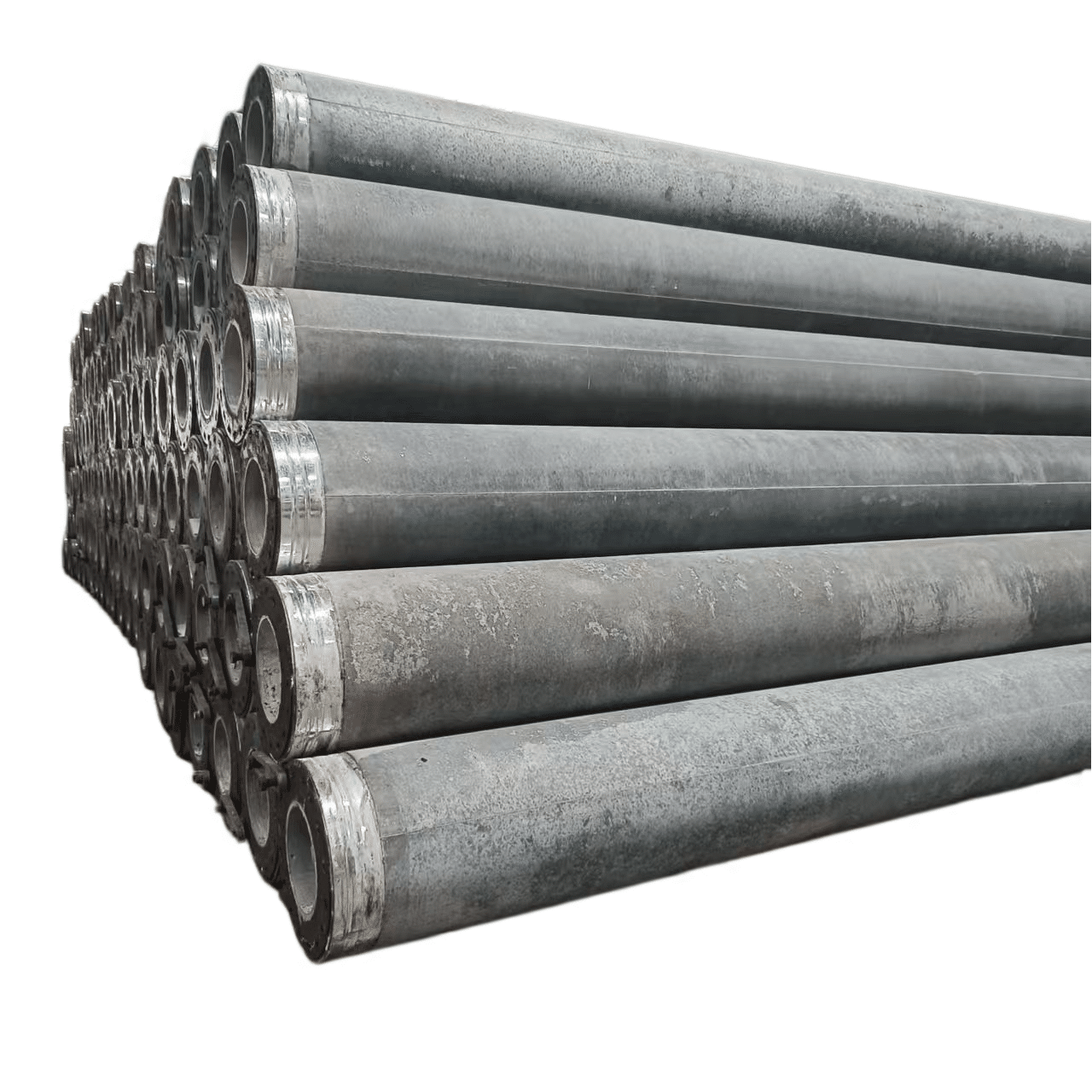
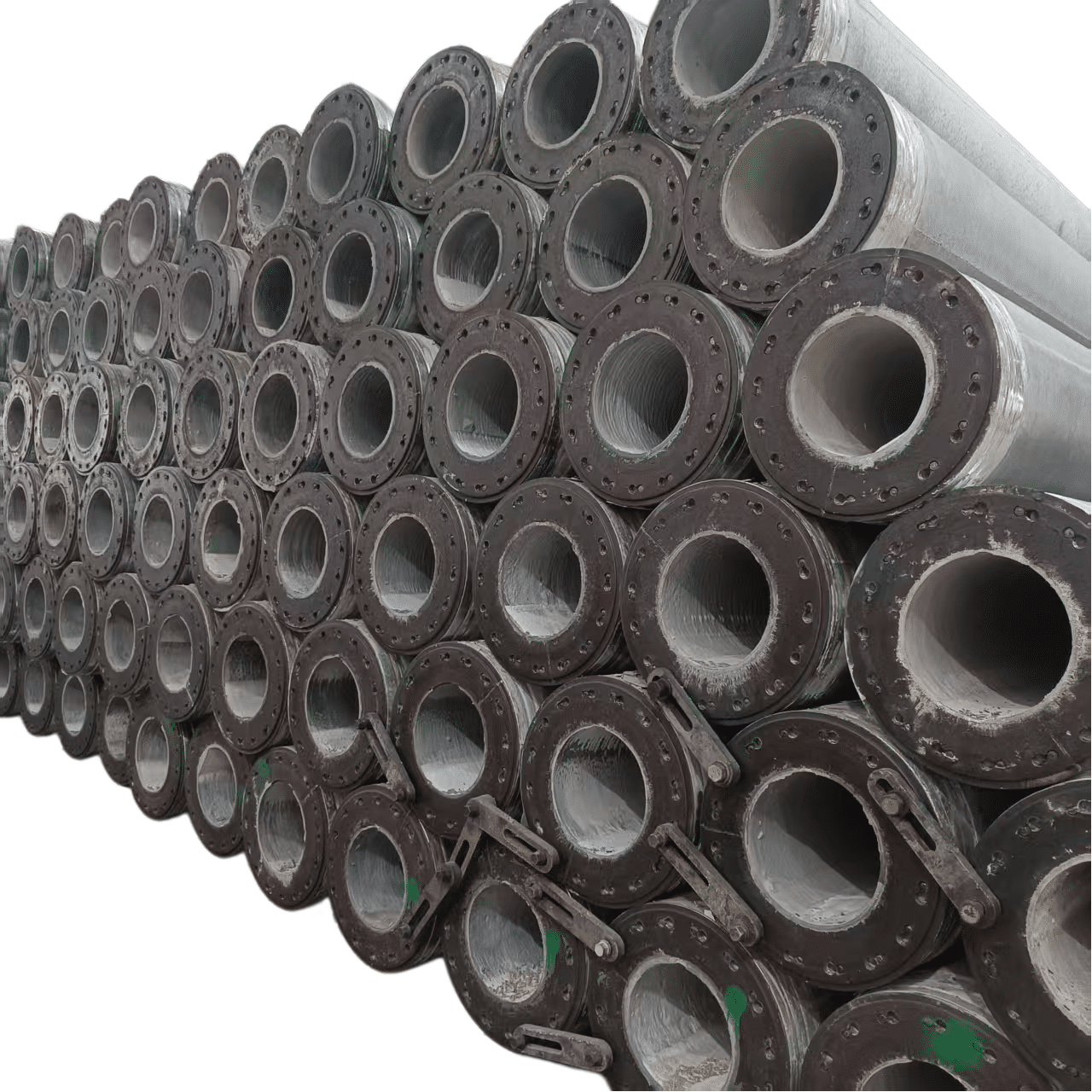
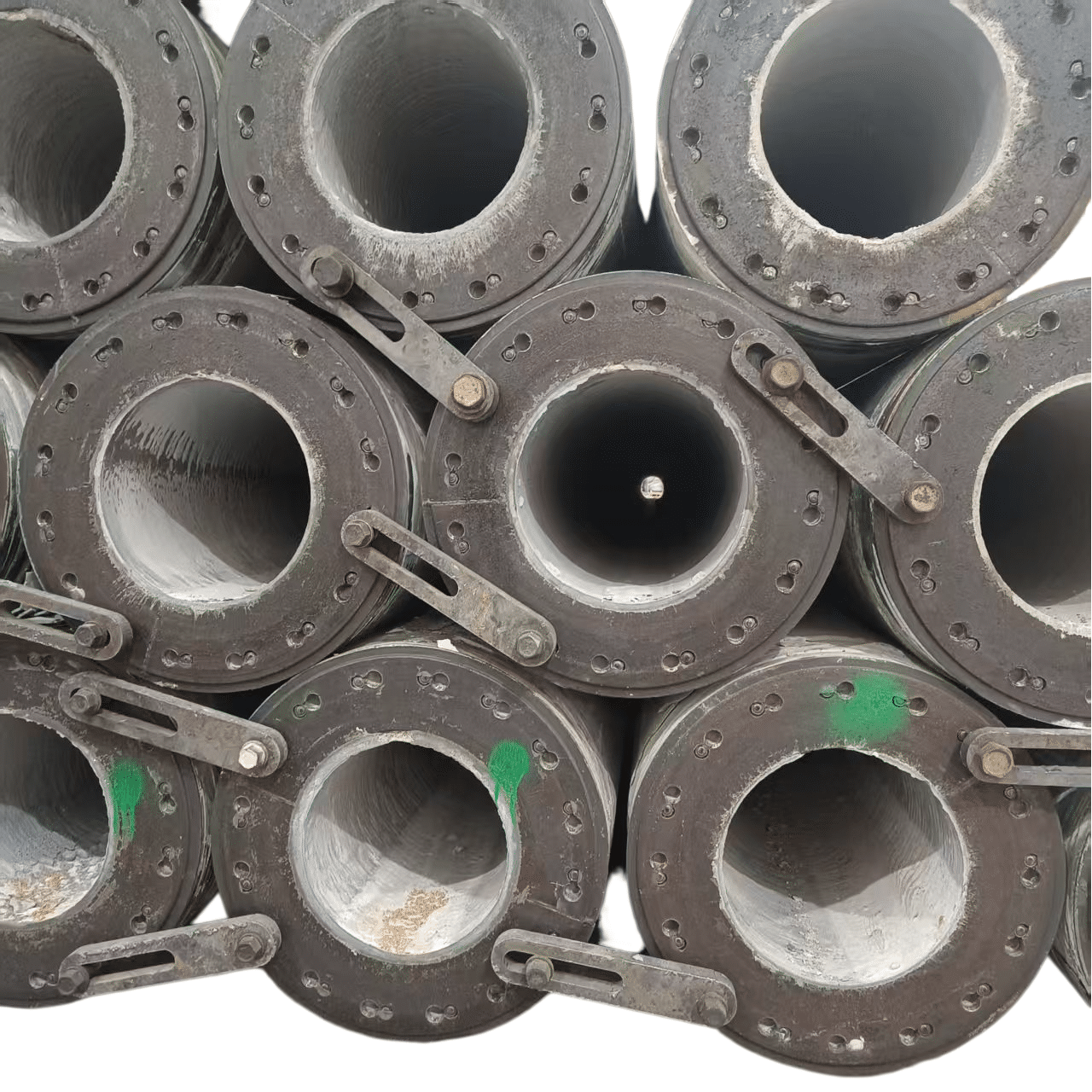
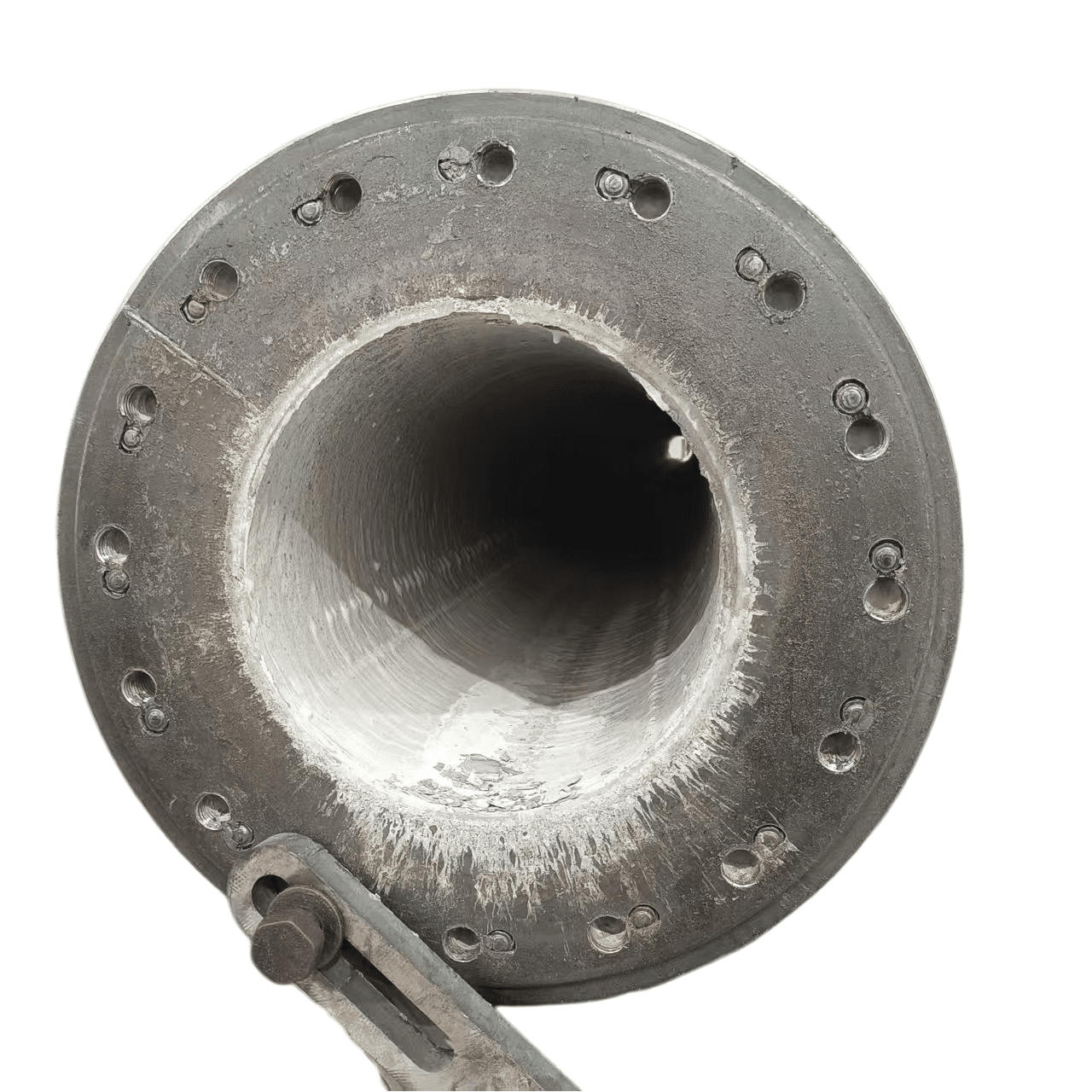

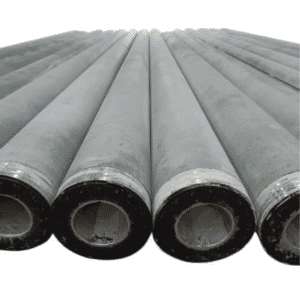
Concrete piles
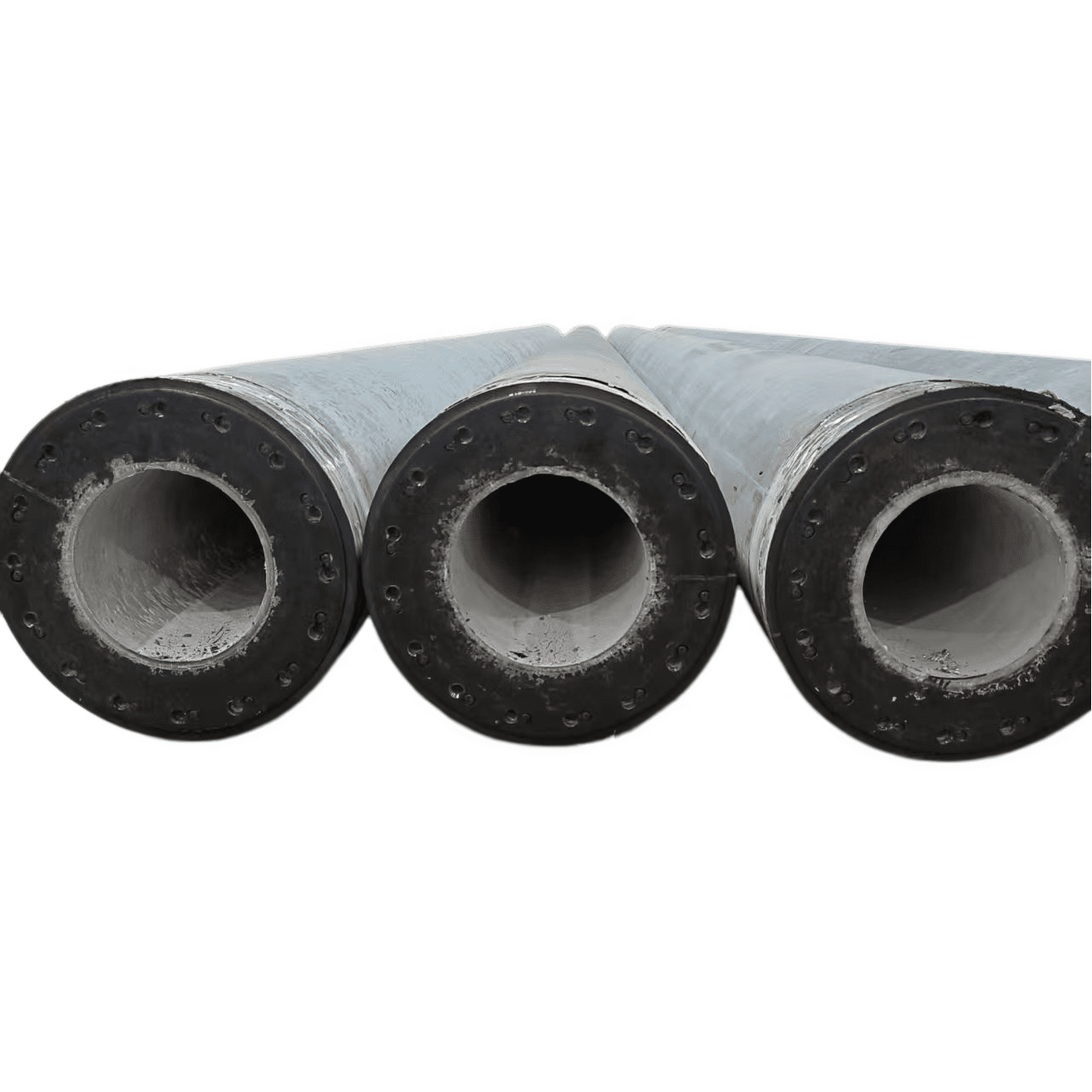
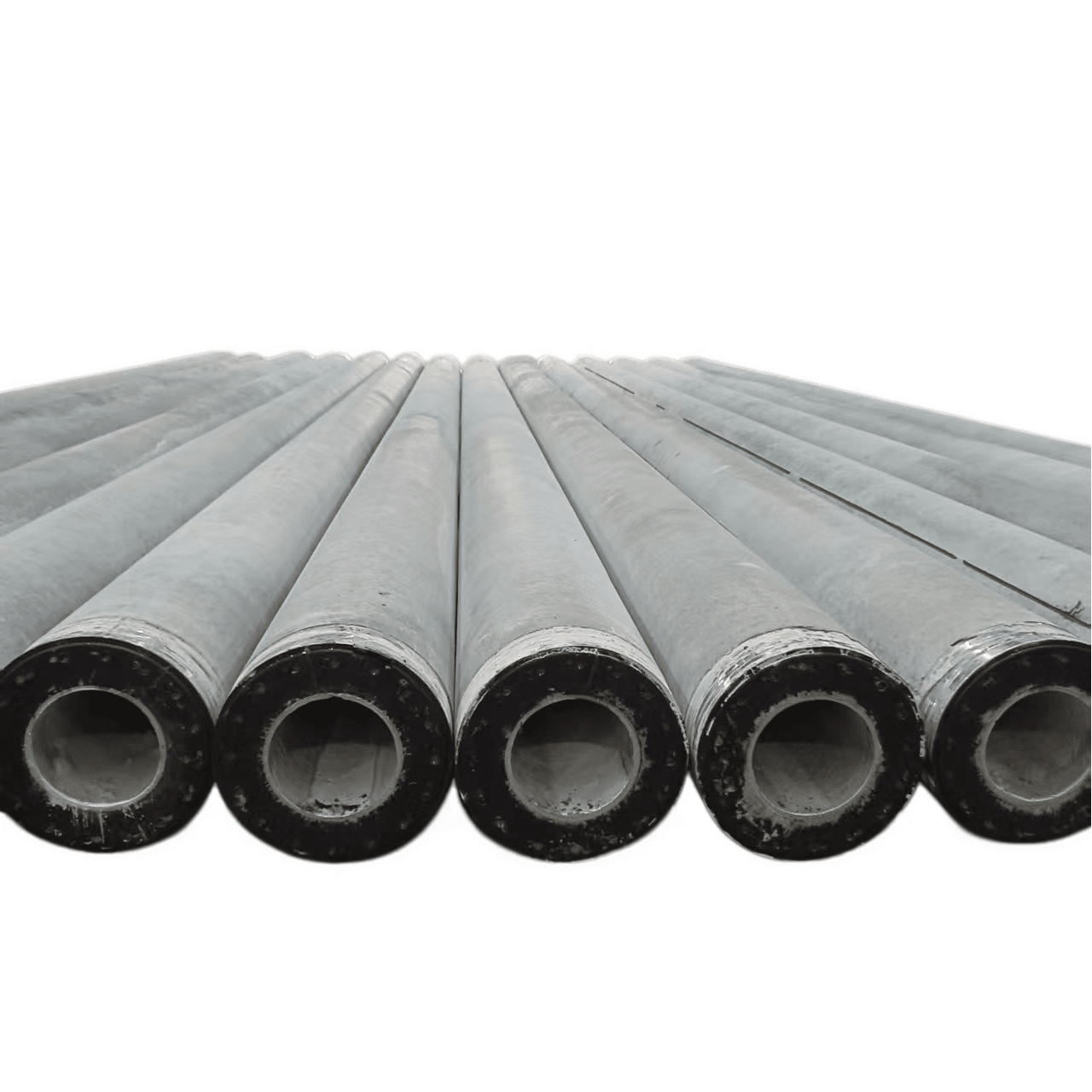
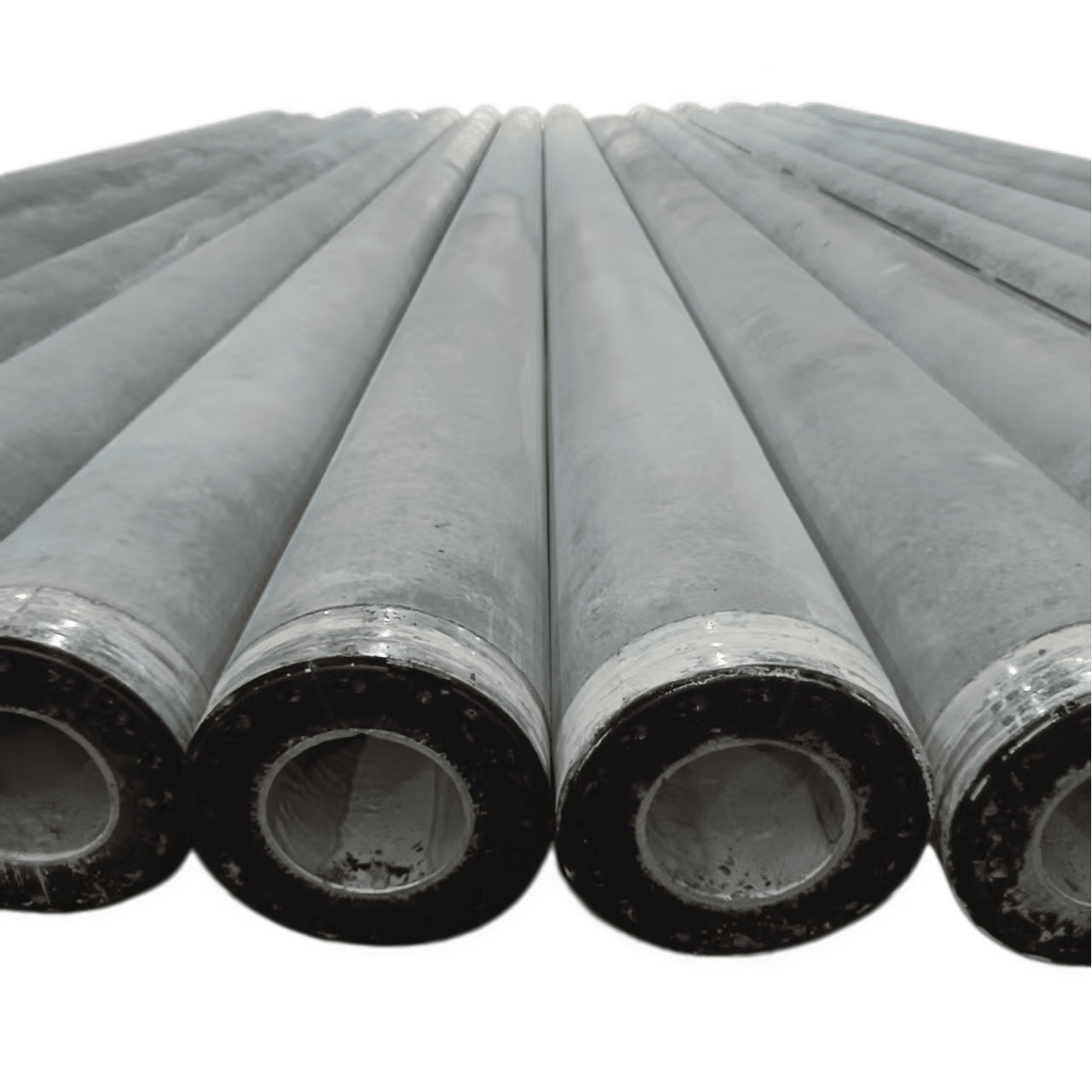
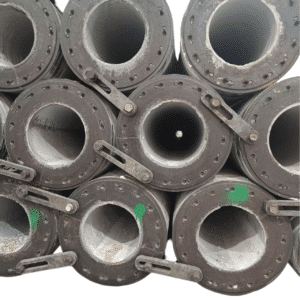
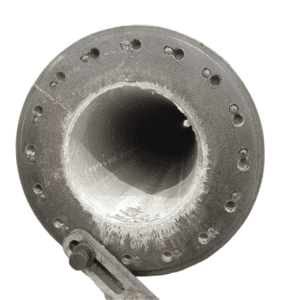
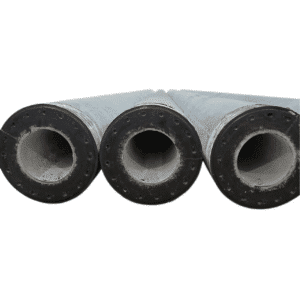
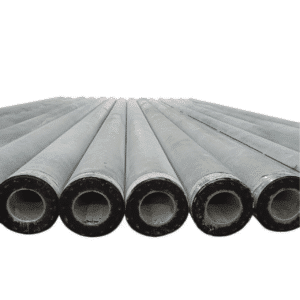
Concrete piles are cylindrical or square structural components made of concrete (ordinary concrete, reinforced concrete or prestressed concrete) through pouring, centrifugal forming and curing. They are widely used in construction, transportation, municipal engineering and other fields, mainly functioning as load-bearing or supporting structures to transfer the upper structure load to the deep stable soil layer or bedrock, improving the foundation stability and bearing capacity of buildings, roads, bridges, etc.
Key Characteristics
Strong load-bearing capacity: High compressive strength and bending resistance, capable of bearing large vertical and horizontal loads.
Good stability and durability: Resistant to moisture, corrosion and soil erosion, with a service life of 30-70 years (depending on the environment and concrete grade).
Wide applicability: Adapt to various geological conditions (sandy soil, clay, gravel soil, etc.) and engineering scenarios.
Simple construction and cost-effective: Mature production and construction technology, lower comprehensive cost compared to steel piles.
Common Types & Applications
| Concrete piles types & applications | ||
| Type Classification | Specific Types | Typical Application Scenarios |
| By Structure | Reinforced Concrete Pile | Civil buildings, industrial workshops, municipal roads (general load-bearing requirements) |
| Prestressed Concrete Pile | High-rise buildings, bridges, ports (high strength, suitable for large spans/heavy loads) | |
| By Cross-Section Shape | Circular Concrete Pile | Most widely used, applicable to foundation engineering of various buildings and structures |
| Square Concrete Pile | Retaining walls, slope support, foundation of small and medium-sized buildings | |
| By Construction Method | Cast-in-Place Concrete Pile | Complex geological conditions, large-diameter foundation requirements |
| Precast Concrete Pile | Standardized production, fast construction, suitable for large-scale engineering | |