

Materials of Utility Poles
The core materials of utility poles mainly fall into four categories: concrete, steel, wood, and composite materials. Different materials are suitable for different scenarios and requirements.
Mainstream Materials and Their Core Characteristics
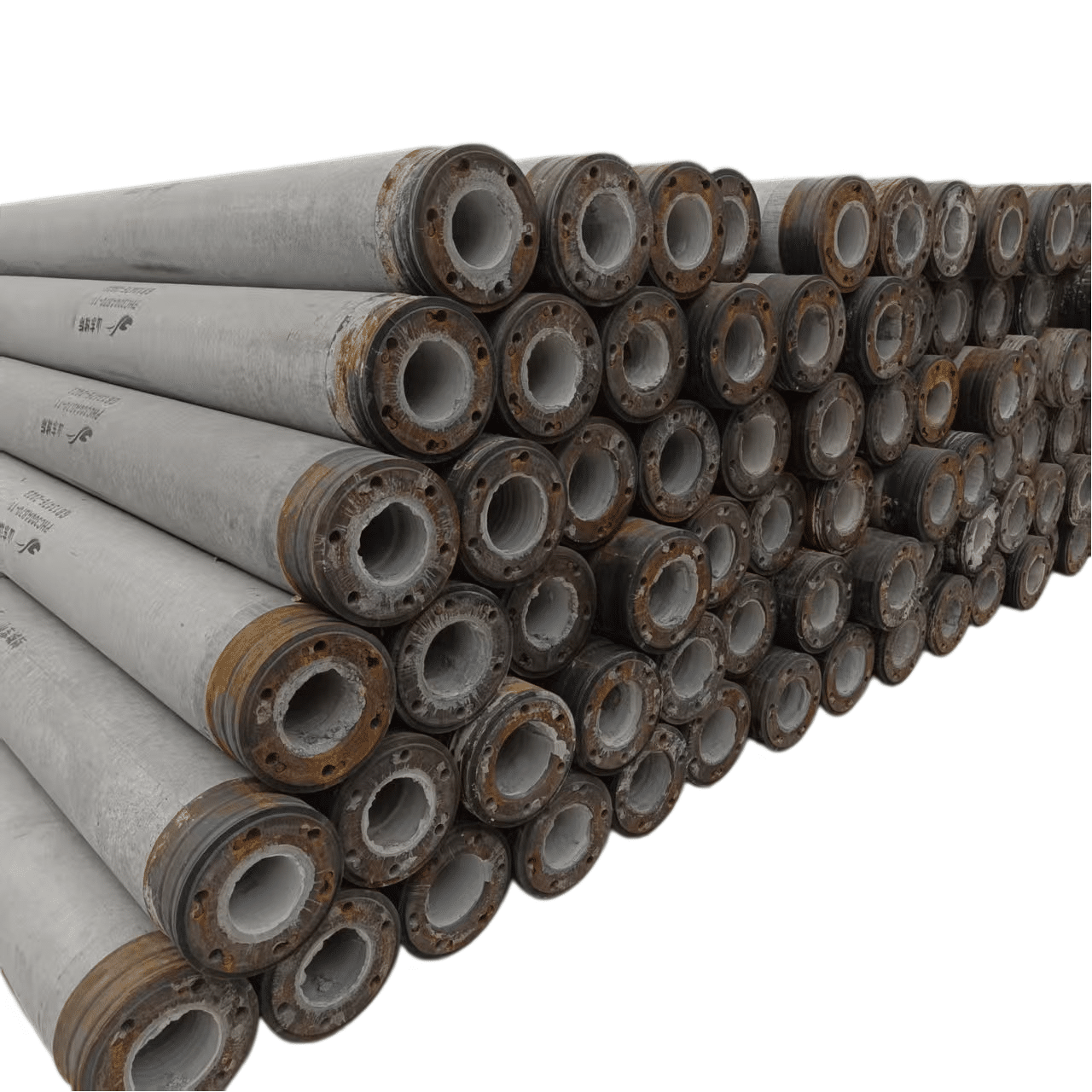
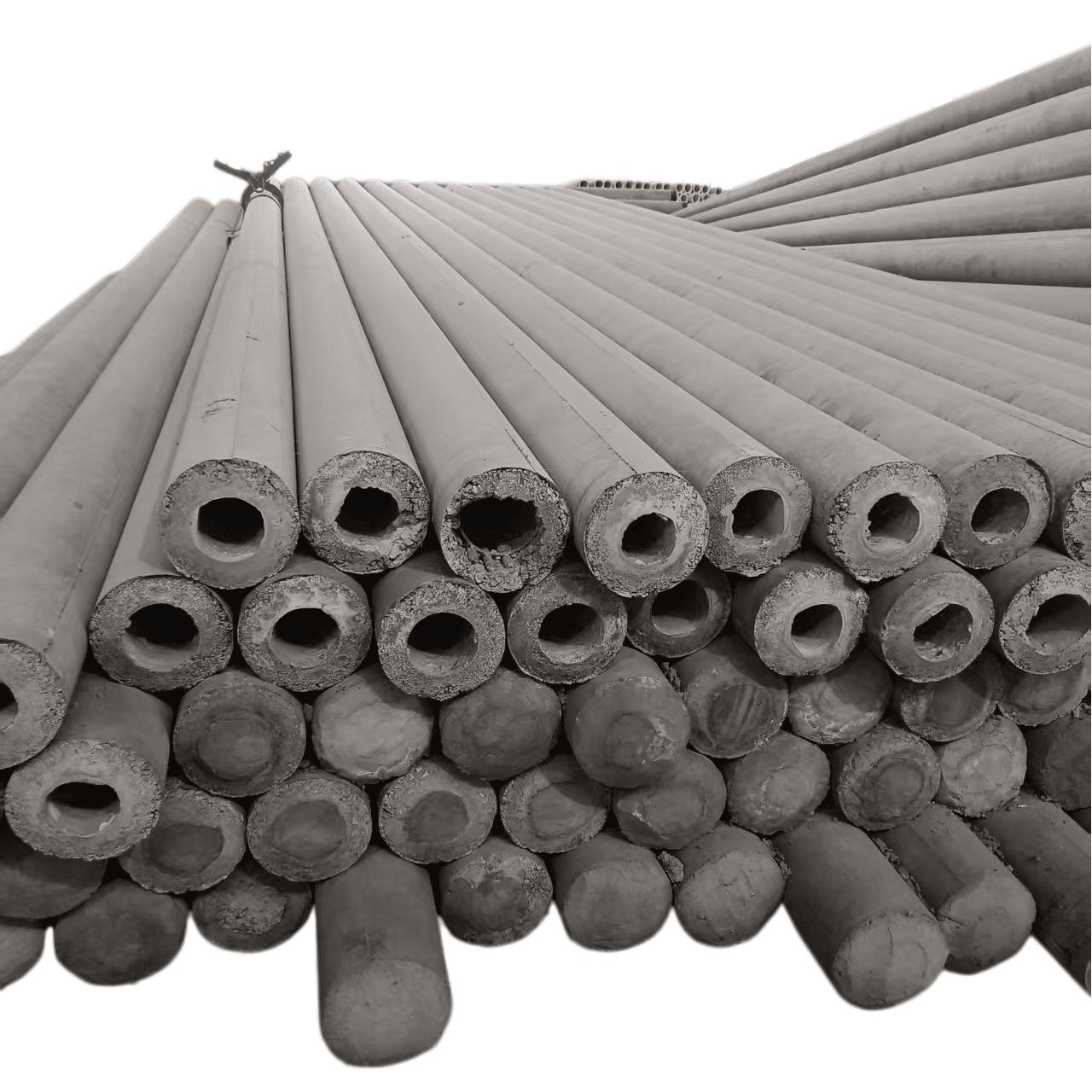
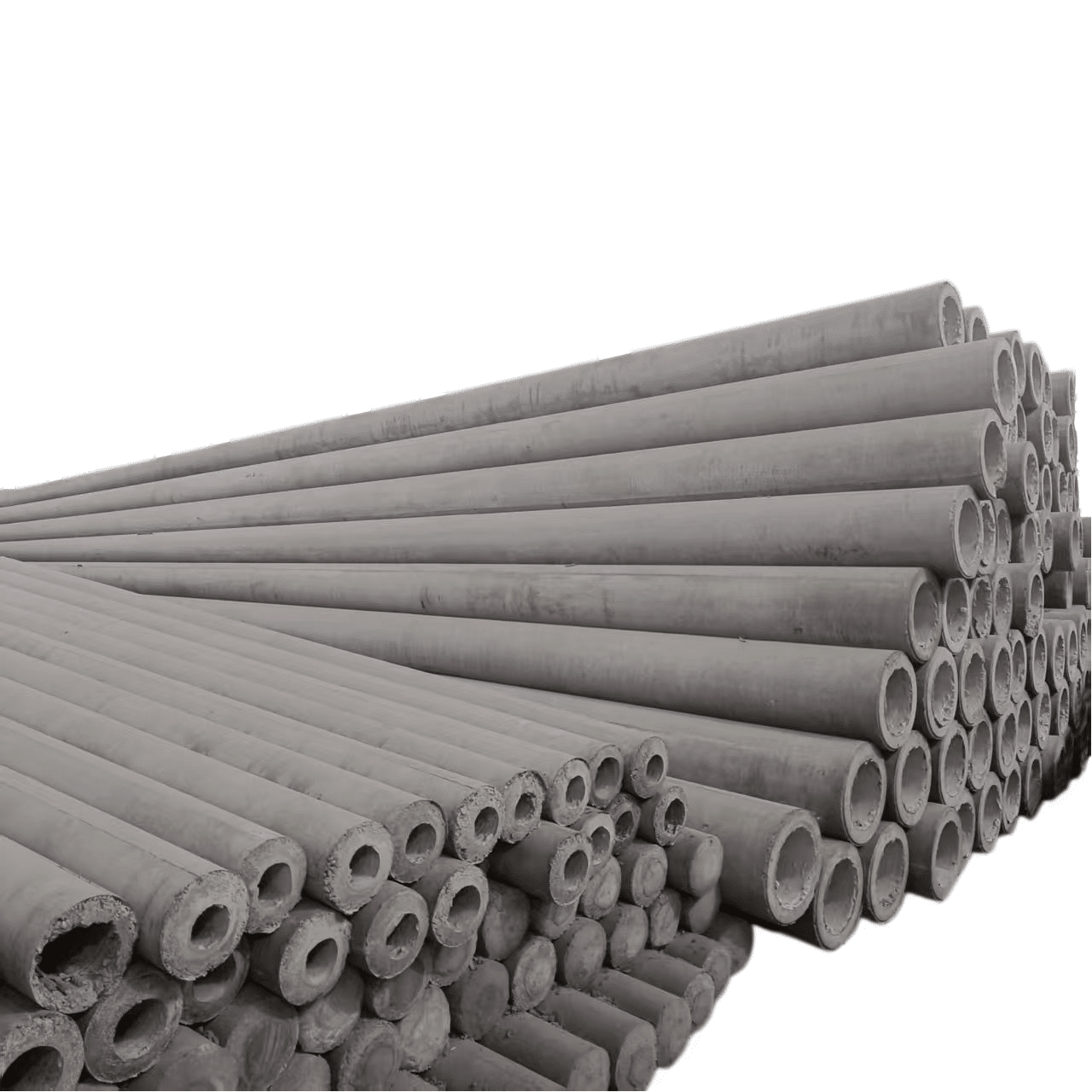
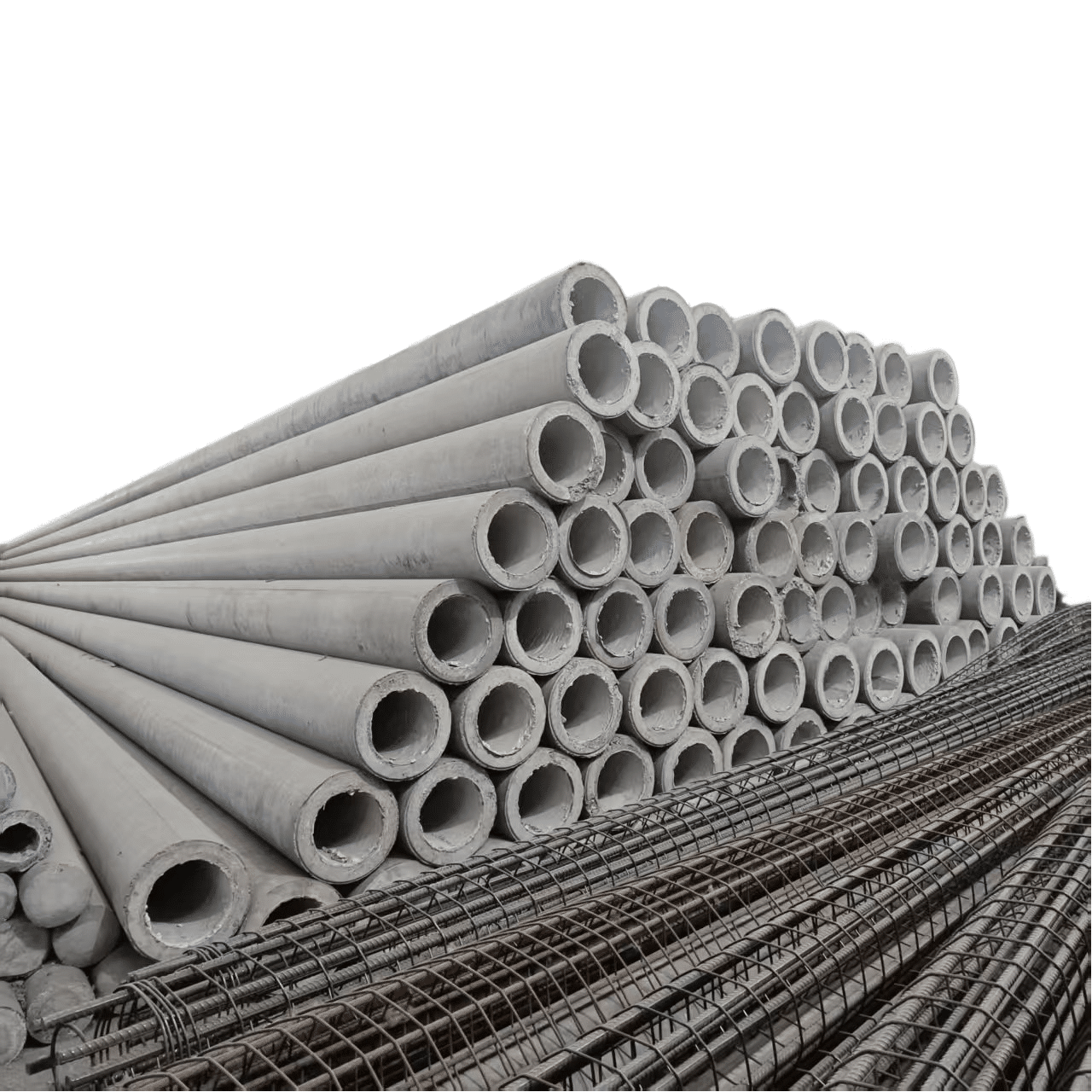
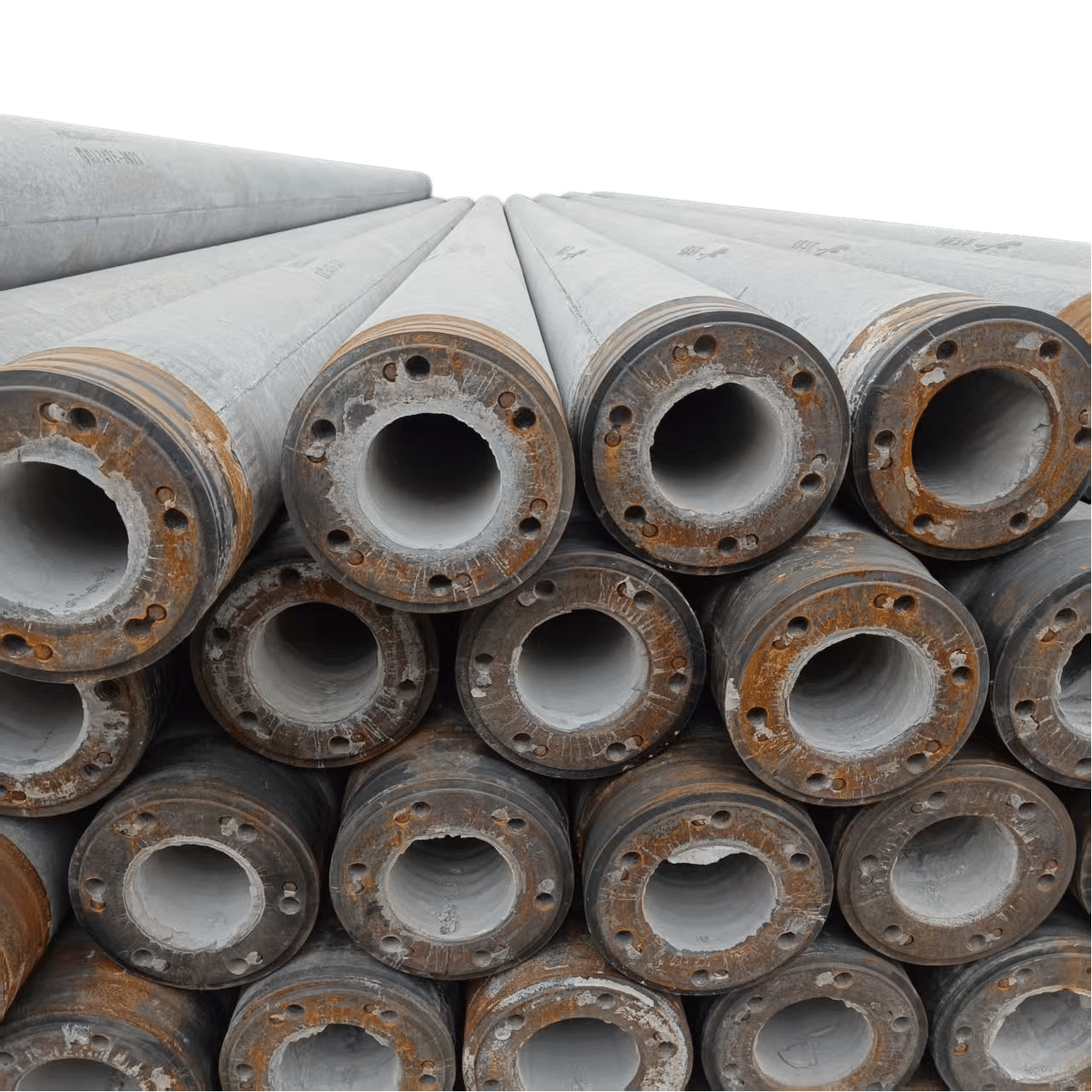
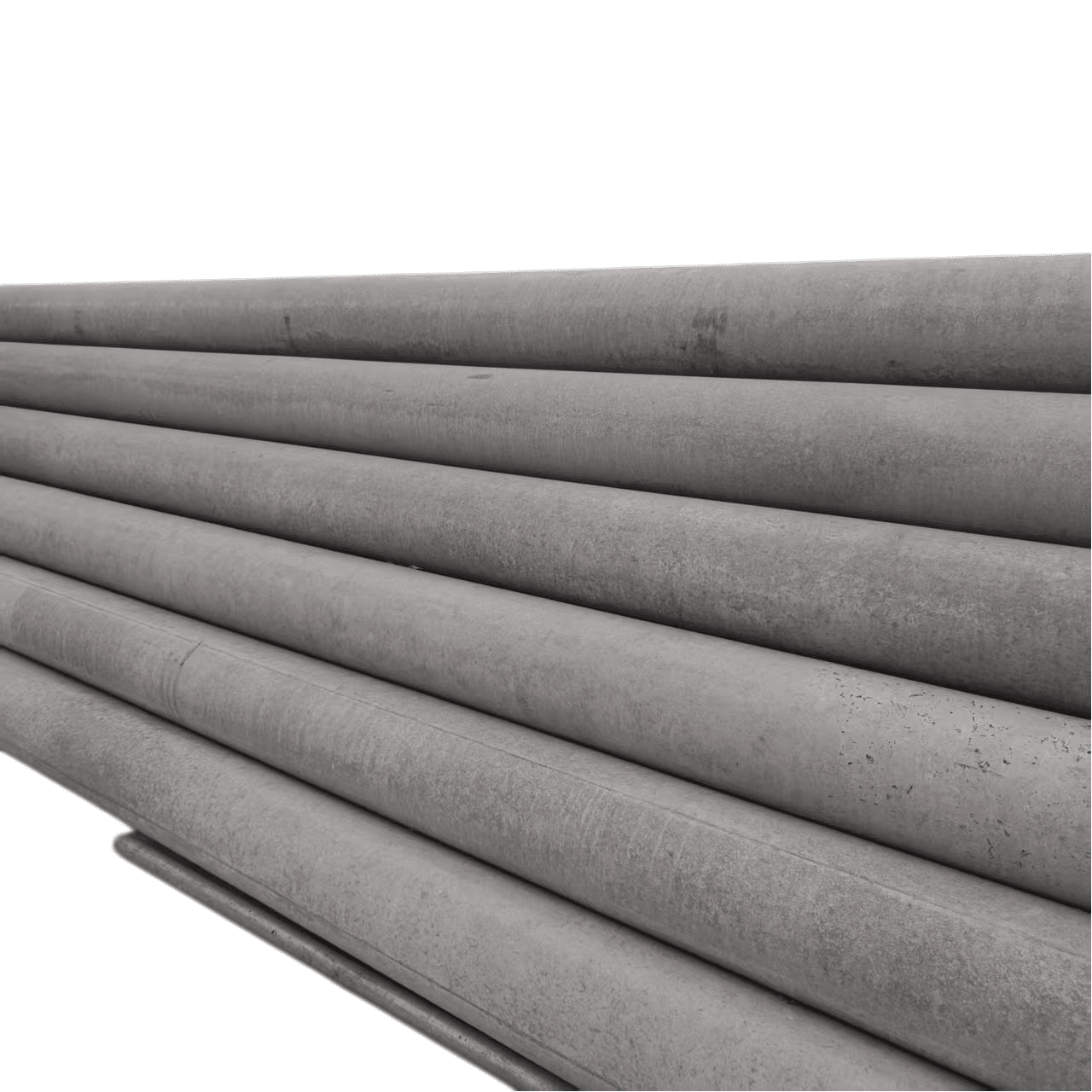
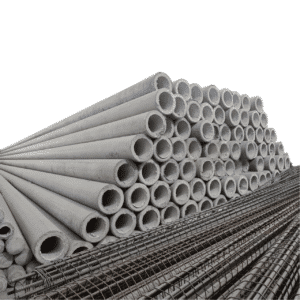
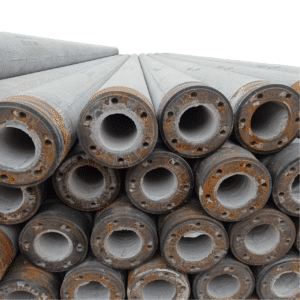
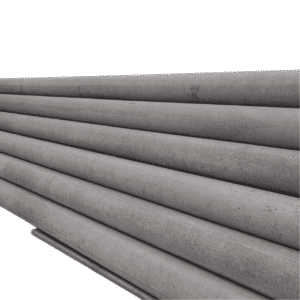
Concrete Poles (including prestressed/non-prestressed types)
Their core advantages are high strength, good durability, moderate cost, non-conductivity, and strong wind load resistance.
They are relatively heavy and require mechanical hoisting for construction. They are suitable for high-voltage lines, suburban and field scenarios for long-term use.
Their disadvantages are inconvenient transportation, high brittleness, and susceptibility to cracking upon heavy impact.
Steel Poles
They are characterized by extremely high strength, light weight, convenient installation, and can be processed into special-shaped structures to adapt to complex terrains.
Corrosion protection treatment (such as galvanizing and painting) is required; otherwise, they are prone to rusting, resulting in a slightly higher maintenance cost.
They are suitable for scenarios with high structural requirements, such as urban arterial roads, incoming and outgoing lines of substations, and river crossings.
SHINLONG concrete utility poles boast high strength and strong wind load resistance. They have been applied in numerous large-scale power engineering projects, gained customers’ trust, and maintained a consistent supply for these projects.